

Comprehensive dilated eye exams
A full check of vision and eye health, with dilation for a detailed look at the retina and optic nerve.
Book this visit for Comprehensive dilated eye examsOptometry · Children & adults
Dr. Nayan Patel, OD brings 13 years of clinical experience to every exam. From diabetic eye exams and contact lenses to advanced myopia management and dry eye care, the whole family can see clearly here.
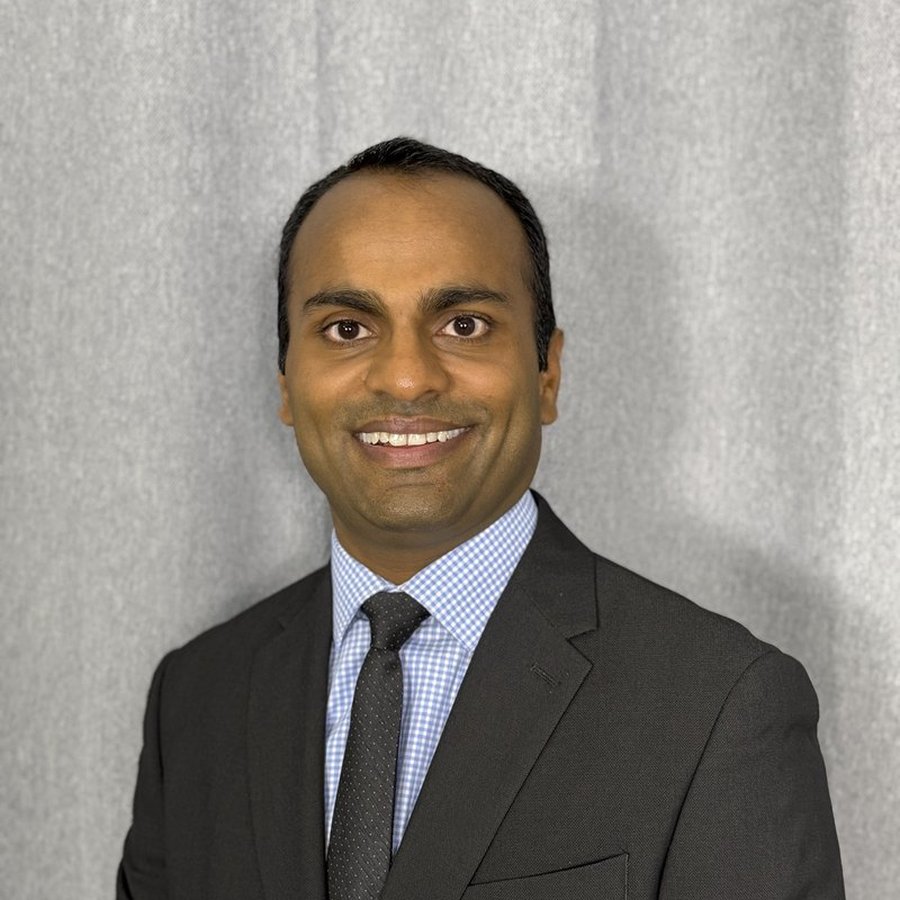
Your doctor
Optometry & Myopia Management
Dr. Patel is a board-certified optometrist with 13 years of clinical experience in a hospital clinical setting, with an emphasis on ocular disease, myopia management and specialty contact lenses. He provides comprehensive eye exams for all ages, is a member of the American Academy of Orthokeratology & Myopia Control, and conducts clinical research on myopia progression.
Inside your eye exam
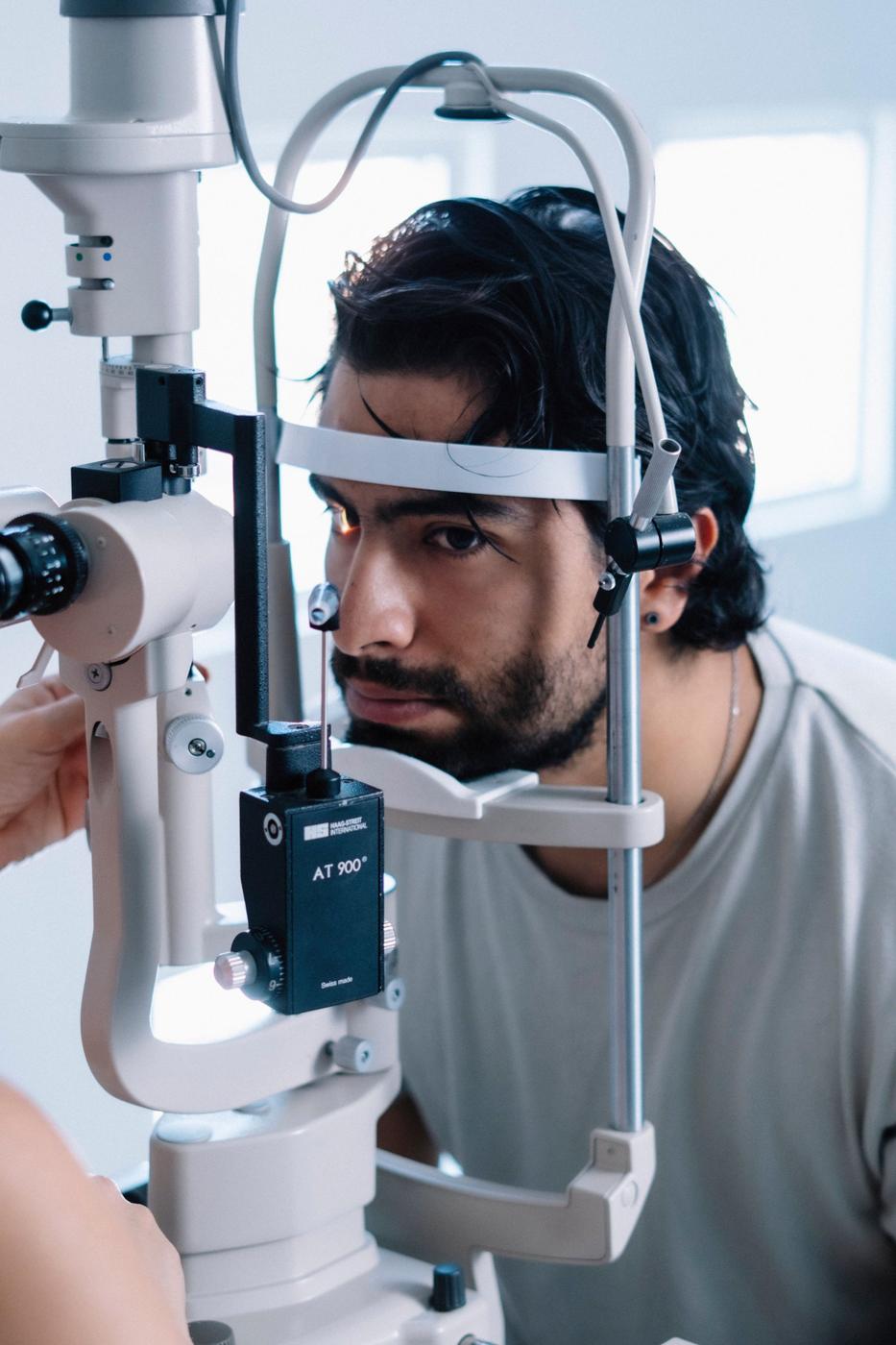
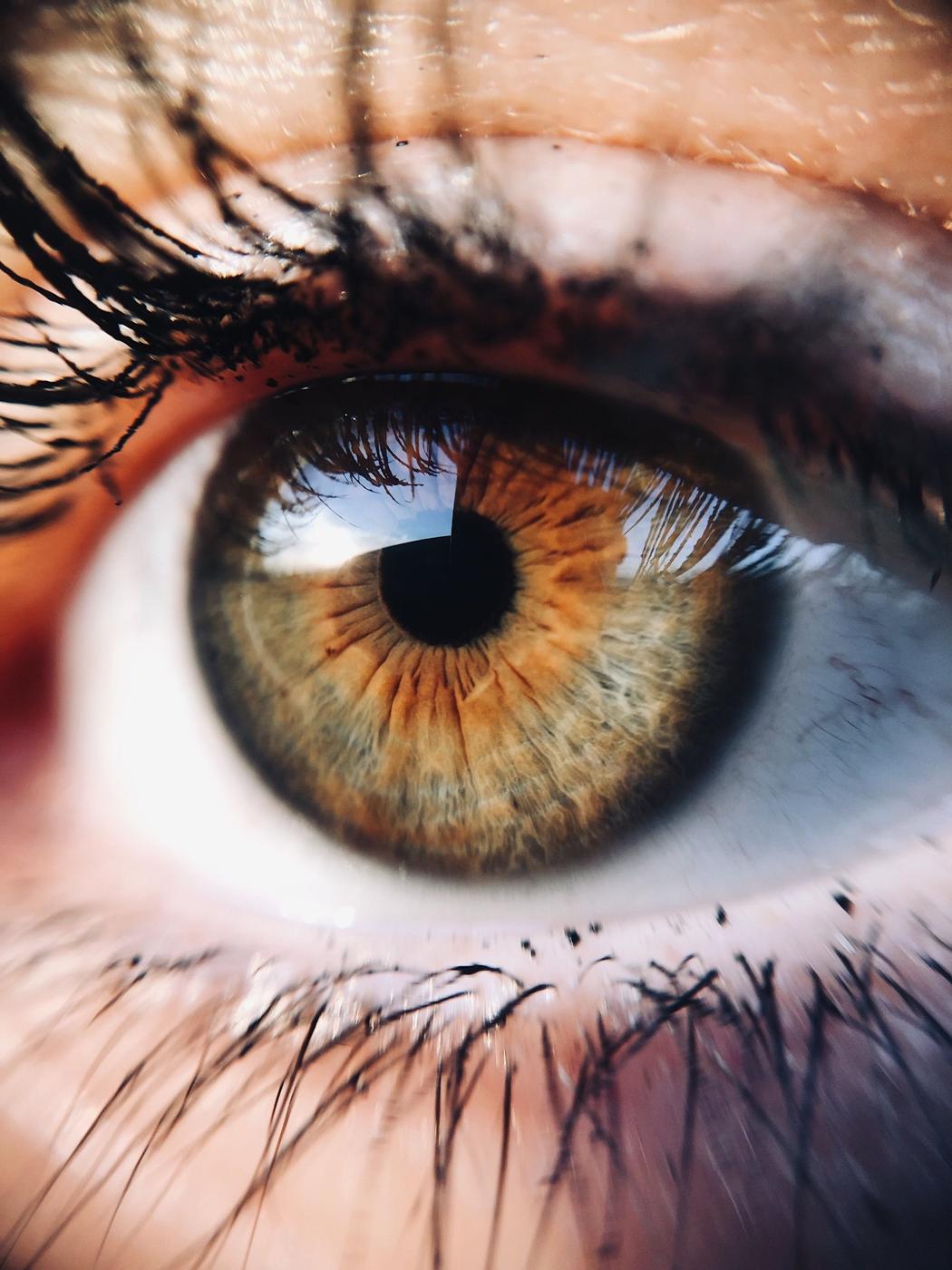
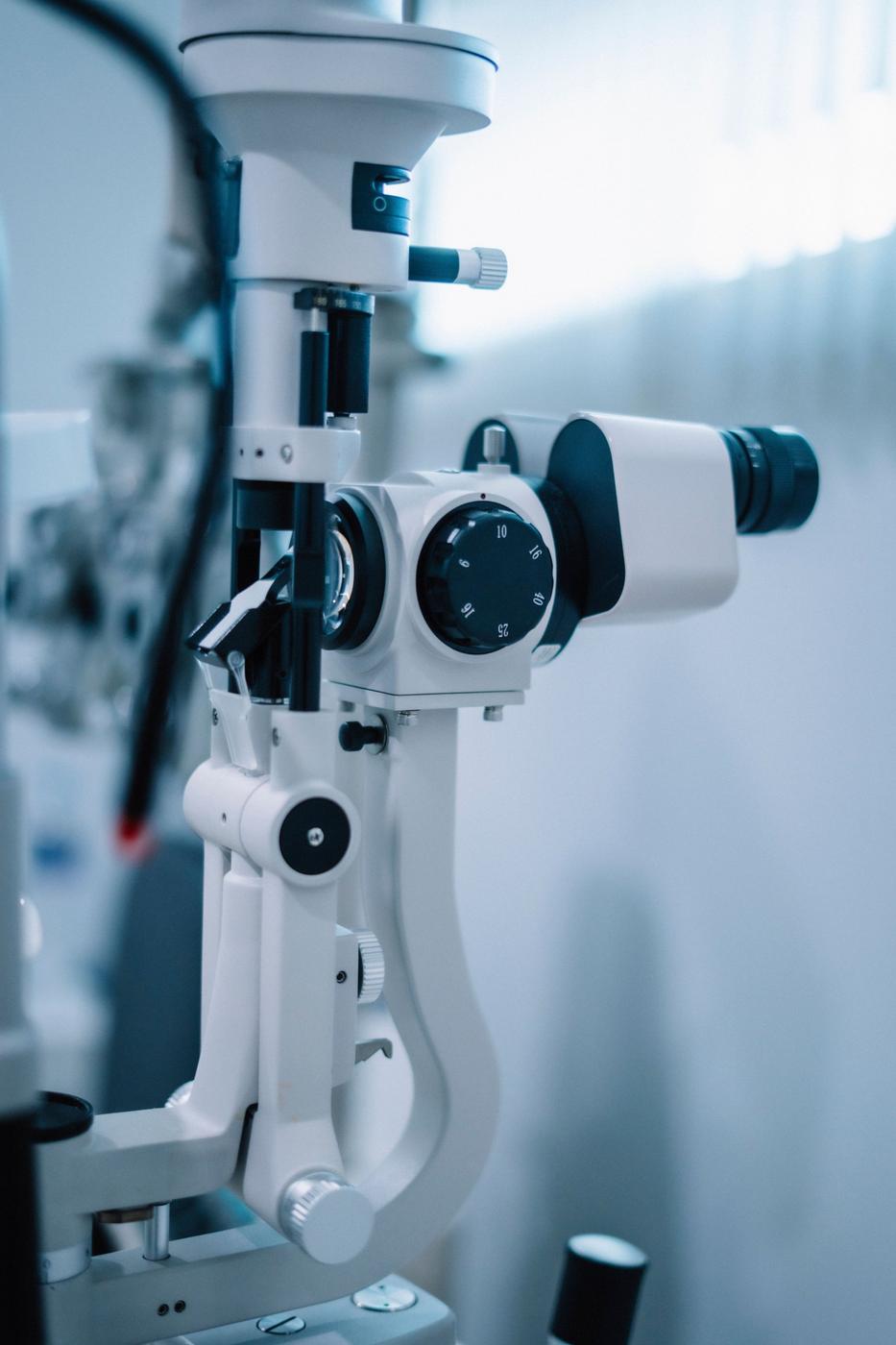
Dr. Patel uses a slit lamp microscope to examine the front and back of your eyes in detail, checks eye pressure for glaucoma and, when needed, dilates your eyes for a full view of the retina and optic nerve.
Specialty program
Proven treatments to slow nearsightedness in children: MiSight, Stellest, ortho-k, multifocal contacts and low-dose atropine.
Explore myopia managementSpecialty program
Relief for burning, gritty or watery eyes, including MGD, blepharitis and ocular rosacea, with prescription eye drops and punctal plugs.
Explore dry eye treatmentEye care services
A full check of vision and eye health, with dilation for a detailed look at the retina and optic nerve.
Book this visit for Comprehensive dilated eye examsCareful exams for every age, including focusing and eye-teaming checks that matter for reading and learning.
Book this visit for Adult and pediatric eye examsOrthokeratology, MiSight soft lenses, atropine drops, multifocal contacts and Stellest lenses to slow nearsightedness in children. Learn more.
Book this visit for Myopia managementFits for keratoconus and corneal disease, including scleral lenses, SynergEyes and Duette hybrid lenses (for astigmatism and presbyopia) and Rose K lenses, plus pediatric Silsoft and aphakic lens fits for infants and children.
Book this visit for Specialty contact lensesAdult multifocal contact lenses for clear distance and near vision, plus soft contact lens fits for ages 8 and above.
Book this visit for Multifocal and progressive contactsEvaluation and treatment for burning, gritty, tired or watery eyes, including prescription drops and punctal plugs.
Book this visit for Dry eye managementYearly dilated exams to catch diabetic retinopathy early, with results shared with your primary care doctor.
Book this visit for Diabetic eye examsEye exams for school requirements, including the exam Illinois requires for children entering kindergarten or first grade.
Book this visit for School eye examsVision exams and paperwork for driver's license requirements.
Book this visit for DMV eye examsYour eyes and your health
The back of the eye is the only place in the body where a doctor can look directly at blood vessels and nerve tissue. That means an eye exam can reveal early signs of diabetes, high blood pressure, high cholesterol and other conditions.
At LivingWell, our optometrist and Internal Medicine doctor share an office, so findings can be acted on quickly and your care stays coordinated.
A typical comprehensive exam checks
About dilation
Dilation is a standard part of a comprehensive eye exam. The drops widen your pupils so Dr. Patel can examine the back of the eye in detail and catch problems like retinal tears, diabetic retinopathy, glaucoma and macular degeneration early, often before you notice symptoms.
After the drops are placed, it takes about 20 to 30 minutes for the pupils to fully widen. The drops may sting briefly when they go in.
Wide pupils let in more light, so bright light and sunlight can feel uncomfortable until the drops wear off.
Reading, phones and computer screens may look blurry. Distance vision is usually less affected.
Effects usually last about 4 to 6 hours. They can last longer in some people, especially children and people with light-colored eyes.
Tips for your visit
When to call us: side effects from dilation are temporary and harmless for most people. Rarely, dilation can trigger a sudden rise in eye pressure. If you have eye pain, a severe headache or nausea after your visit, call 630-242-2455 right away or go to the nearest emergency room.
For parents
Myopia (nearsightedness) is rising quickly among children, and it tends to progress through the school years. Higher myopia later in life raises the risk of serious eye conditions such as retinal detachment, glaucoma and myopic maculopathy.
Today, there are proven ways to slow it down. Dr. Nayan Patel is a member of the American Academy of Orthokeratology & Myopia Control and conducts clinical research on myopia progression.
Treatment options we offer
Conditions we treat
Many eye diseases have no early warning signs. Regular eye exams catch problems early, when they are easiest to treat. Tap a condition to learn more.
FAQ
We sell contact lenses and can order them for you. We do not sell eyeglasses, but we provide your eyeglass and contact lens prescriptions so you can fill them wherever you like.
Eye care appointments are available on select days. Please call 630-242-2455 for availability.
If you have an HMO plan, yes. HMO patients require a referral from their primary care doctor for eye exams.
The American Optometric Association recommends an eye exam at 6 to 12 months of age, at least once between ages 3 and 5, before first grade, and every year after that through the school years.
Most adults should have an eye exam every one to two years, and every year for adults with diabetes, high blood pressure, glaucoma risk or those 65 and older.
We accept all major medical insurance and can bill it for medical eye health exams, such as exams for diabetes, high blood pressure, dry eye, glaucoma risk, eye infections, injuries or other eye symptoms. Our office will help you check your coverage before your visit.
Our eye care is medically focused, and we coordinate closely with our Internal Medicine team. Billing medical insurance lets us care for eye health conditions as part of your overall health. You can still use out-of-network vision benefits by submitting the itemized receipt we provide.
Yes, for basic eye exams. Spanish is offered for basic eye exams only.
Yes. Dr. Patel sees children and adults, and offers a dedicated myopia management program for kids.
A comprehensive eye exam usually includes dilation. The drops widen your pupils so the doctor can check the retina and optic nerve thoroughly. Effects usually last 4 to 6 hours, sometimes longer in children and people with light-colored eyes.
Expected side effects are sensitivity to light and blurry near vision for a few hours, and the drops may sting briefly. Rarely, dilation can raise eye pressure. Call us or seek emergency care if you have eye pain, a severe headache or nausea.
Many people can drive with sunglasses, but vision may be blurry and sensitive to light. If you are not comfortable, bring someone who can drive you home.
Children and adults welcome. Book online or call 630-242-2455.