

Eye health
Cataracts
A cataract is a clouding of the natural lens inside the eye. Cataracts are very common with age and develop slowly. When they start to affect daily life, cataract surgery is a safe and effective way to restore clear vision.
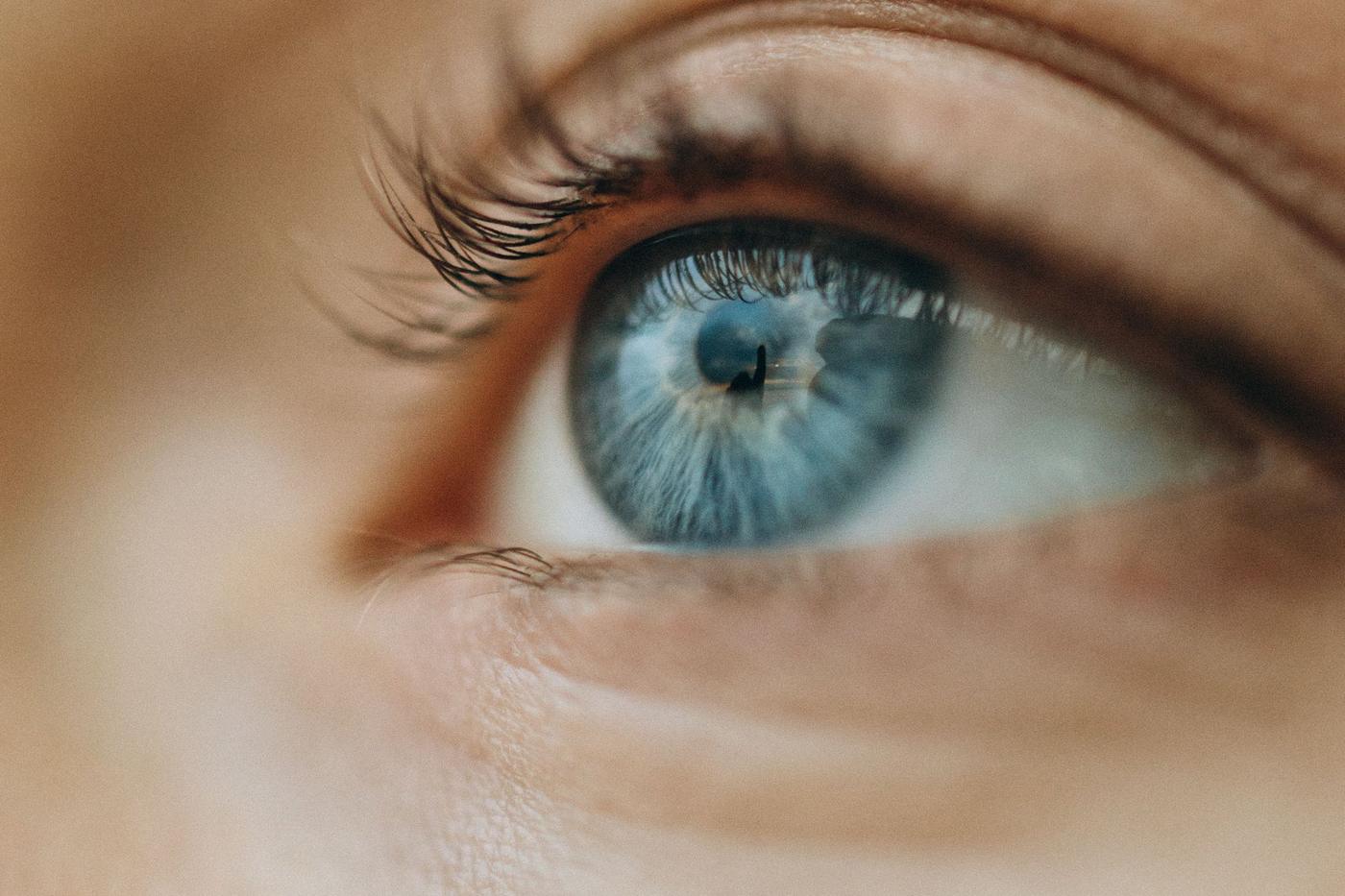
What is a cataract?
The lens sits behind the colored part of the eye and focuses light onto the retina. With age, proteins in the lens break down and clump together, making it cloudy. Vision becomes hazy, like looking through a foggy window.
Symptoms
- Cloudy, blurry or dim vision
- Glare and halos around lights, especially when driving at night
- Colors that look faded or yellowed
- Needing brighter light to read
- Frequent changes in your glasses prescription
Risk factors
- Age
- Diabetes
- Smoking
- Long-term sun (UV) exposure
- Long-term steroid use
- A past eye injury or eye surgery
Treatment
Early cataracts can often be managed with an updated glasses prescription, brighter lighting and anti-glare lenses. When cataracts make everyday tasks such as reading or driving hard, the cloudy lens can be replaced with a clear artificial lens during cataract surgery.
How we help
- Diagnosis and monitoring during your eye exams
- Updated glasses to keep you seeing well as long as possible
- Referral to a trusted cataract surgeon when it is time for surgery
FAQ
Common questions
When should I have cataract surgery?
When your vision affects activities that matter to you, such as driving, reading or work. There is usually no need to rush, and your doctor will help you decide.
Can cataracts come back?
A cataract cannot come back after surgery. Some people later develop a haze behind the new lens, which is treated with a quick laser procedure.
Can I prevent cataracts?
You cannot fully prevent them, but wearing UV-blocking sunglasses, not smoking and managing diabetes may slow them down.
Related topics
Keep learning
This information is for general education and does not replace a visit with your doctor.
Book an eye exam
Book online or call 630-242-2455.