

Type 1
Aqueous-deficient dry eye
The tear glands do not make enough of the watery layer of the tear film.
Dry eye management
Burning, gritty, red or watery eyes are more than an annoyance. Dry eye is a medical condition, and the right treatment can bring lasting relief. We find the cause of your symptoms and treat it with prescription eye drops, in-office punctal plugs and, for severe cases, autologous serum eye drops.

Your doctor
Optometry & Myopia Management
Dr. Patel is a board-certified optometrist with 13 years of clinical experience in a hospital clinical setting, with an emphasis on ocular disease, myopia management and specialty contact lenses. He provides comprehensive eye exams for all ages, is a member of the American Academy of Orthokeratology & Myopia Control, and conducts clinical research on myopia progression.
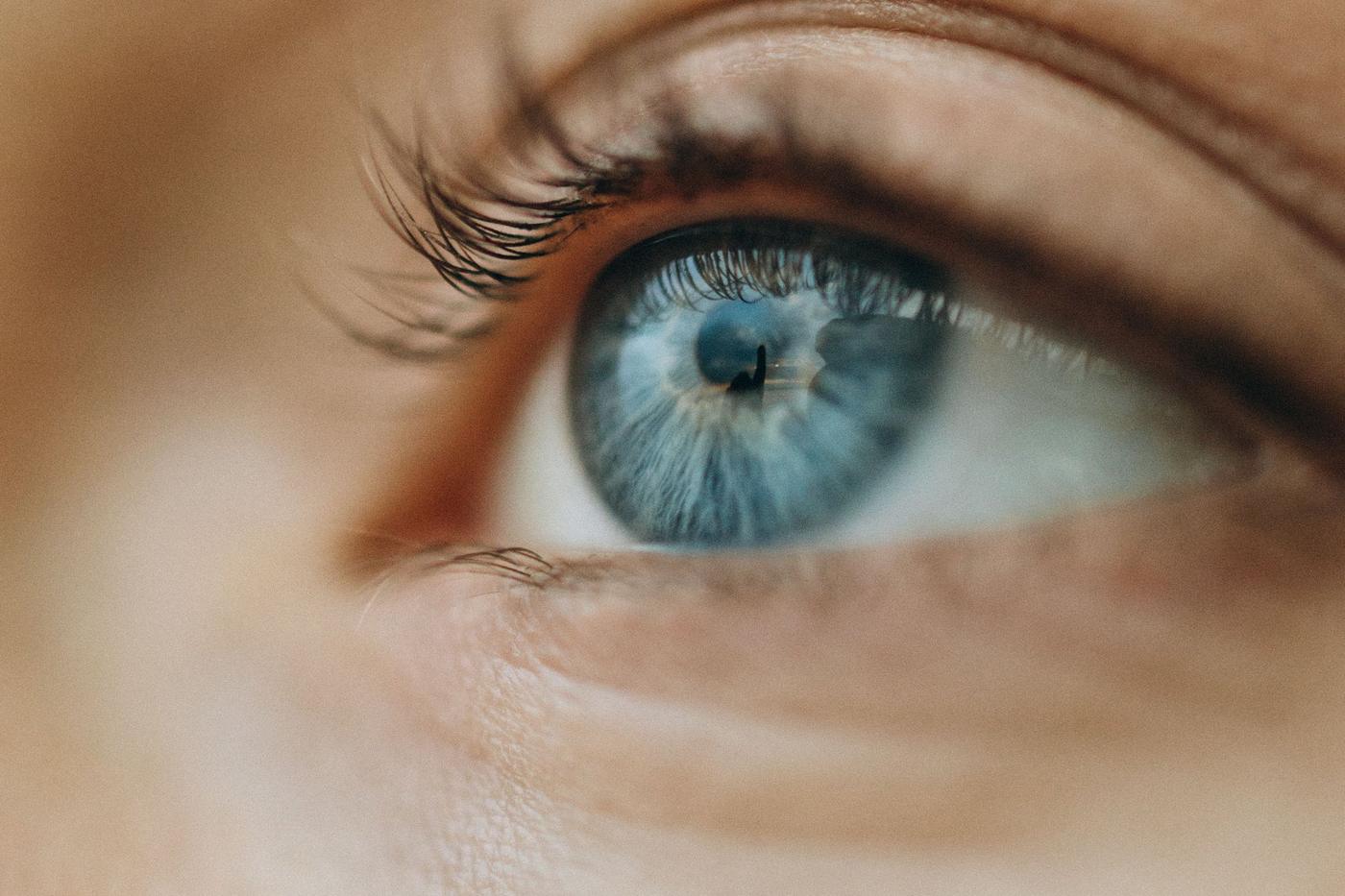
What is dry eye?
Every blink spreads a thin tear film over the eye. It has three layers: an oily outer layer that slows evaporation, a watery middle layer, and a mucus layer that helps tears stick to the eye. Dry eye happens when this film breaks down, either because your eyes do not make enough tears or because tears evaporate too fast. It is a chronic condition, but with the right care the symptoms can be well controlled.
Type 1
The tear glands do not make enough of the watery layer of the tear film.
Type 2 · Most common
Tears evaporate too quickly, usually because the oil (meibomian) glands in the eyelids are not working well.
Type 3
A combination of low tear production and an unstable tear film.
Conditions linked to dry eye
These common eyelid and skin conditions are frequent causes of dry eye. Treating them is often the key to lasting relief. Tap a condition to learn more.
Signs to watch for: Burning, gritty eyes, red or thickened eyelid edges, blurry vision that comes and goes, symptoms that worsen with screens.
How we help: A careful look at your eyelids and oil glands, warm compresses and lid hygiene, and prescription drops that slow tear evaporation.
Signs to watch for: Red, itchy or swollen eyelids, crusting or flakes at the lashes (often in the morning), burning eyes, lashes that fall out.
How we help: Lid hygiene routines, treatment of Demodex blepharitis with prescription drops made for Demodex, and treatment of related dry eye.
Signs to watch for: Facial flushing or redness, red and irritated eyes, burning, swollen eyelids, recurring styes or chalazia.
How we help: Diagnosis and management of the eye inflammation, treatment of the related MGD and dry eye, and coordination with your primary care doctor or dermatologist for the skin.
This information is for general education and does not replace a visit with your doctor.
Do you have dry eye?
Dry eye can feel different from person to person. Many people notice it most after screen time, in dry or windy weather, or at the end of the day.
Watery eyes can be a sign of dry eye too. When the protective oil layer is thin, tears evaporate quickly and the eyes make extra watery tears to compensate, but those tears do not fix the problem.
Causes & risk factors
Dry eye can happen on its own or alongside other conditions. Several factors make it more likely.
Why treatment matters: untreated dry eye can lead to ongoing irritation, eye infections, damage to the cornea and blurry vision. Early care helps protect the surface of your eye.
Diagnosis
No single test diagnoses dry eye, so we look at the full picture.
We review your symptoms, screen habits, medications and health conditions that can affect your tears.
A magnified look at your eyelids, oil glands, tear film and the surface of your eye.
Simple tests such as tear breakup time and tear production measure how stable your tears are and how many you make.
Treatments we offer
Your treatment plan is based on what is causing your symptoms, so it starts with a careful evaluation.
A detailed look at your tear film, eyelids, oil glands and eye surface to find the cause and severity of your dry eye.
Medicated drops that calm inflammation, help your eyes make more of their own tears or stop tears from evaporating. See the common options below.
A safe, quick and easy procedure done right here in our office. Tiny plugs keep your natural tears on the eye longer.
For severe dry eye: eye drops made from your own blood serum, rich in natural healing factors found in tears.
Guidance on the right artificial tears, warm compresses and eyelid hygiene to support your treatment between visits.
Prescription eye drops
Dr. Patel chooses a prescription based on the type and cause of your dry eye. The main types of prescription drops include:
Coverage for prescription eye drops varies by insurance plan. We will help you find an option that works for you.
In-office procedure
Your eyelids have tiny openings (puncta) that drain tears away from the eye. A punctal plug is a very small, biocompatible insert placed in this opening so your natural tears stay on the eye longer.
For severe dry eye
When dry eye is severe or does not respond to other treatments, autologous serum eye drops can help. They are made from a small sample of your own blood. The serum contains growth factors, vitamins and proteins similar to those in natural tears, which help heal and protect the surface of the eye.
Self-care
These habits support your treatment. They work best alongside a plan from your eye doctor.
What to expect
We review your symptoms, medications and screen habits, then examine your tears and eyelids.
We identify the type and cause of your dry eye.
Prescription drops, punctal plugs and at-home care, matched to your eyes.
We check your progress and adjust treatment until your eyes feel better.
FAQ
Dry eye happens when your eyes do not make enough tears or the tears evaporate too quickly. Common causes include long hours on screens, aging, hormonal changes, contact lens wear, certain medications, autoimmune conditions, and problems with the oil glands in the eyelids.
MGD happens when the oil glands in your eyelids become blocked or make poor-quality oil. Without enough oil, tears evaporate too quickly, causing dry, burning eyes. It is the most common cause of evaporative dry eye and is very treatable.
Yes. Ocular rosacea can cause red, irritated eyes, swollen eyelids and dry eye, sometimes before skin symptoms appear. We treat the eye inflammation and the related dry eye.
Dry eye is a medical eye condition, so dry eye visits are billed to your medical insurance. Coverage for prescription drops varies by plan.
Often, yes. Treating dry eye can make contact lenses more comfortable, and Dr. Patel can recommend lenses designed for dry eyes.
Book a dry eye evaluation online or call 630-242-2455.