Primary care
High blood pressure (hypertension)
High blood pressure is often called the silent killer because it usually has no symptoms. Over time it can damage the heart, brain, kidneys and eyes. Regular checks and the right treatment can greatly lower your risk.
What is high blood pressure?
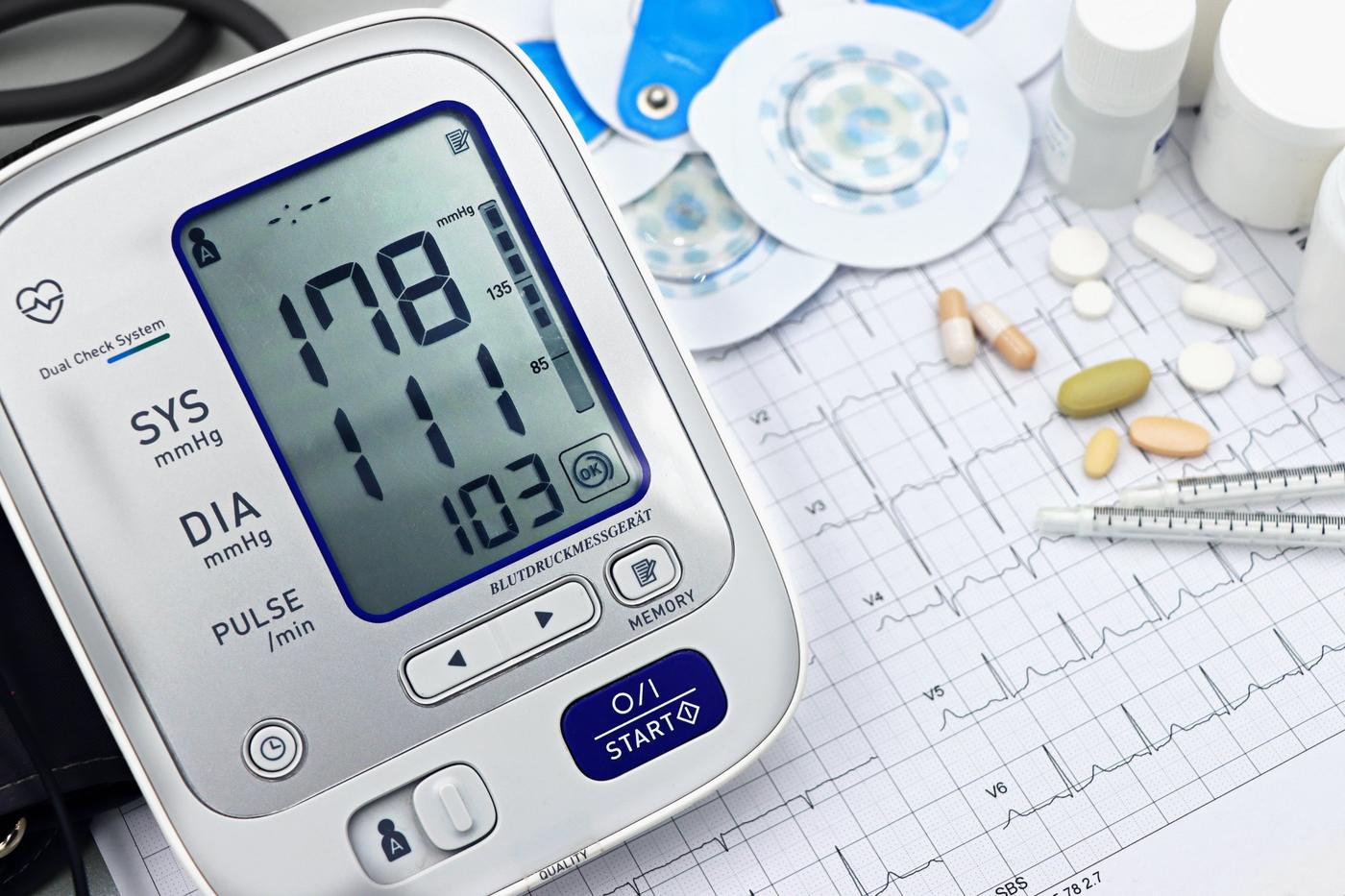
Blood pressure is the force of blood pushing against the walls of your arteries. High blood pressure is generally a reading of 130/80 or higher on repeated measurements.
Why it matters
- Heart attack and heart failure
- Stroke
- Kidney disease
- Damage to the blood vessels in the eyes
- Memory problems later in life
Risk factors
- Family history
- Excess weight
- A diet high in salt
- Low physical activity
- Drinking alcohol
- Smoking
- Diabetes and kidney disease
- Stress and poor sleep, including sleep apnea
Treatment
Lifestyle changes help everyone with high blood pressure: eating less salt, following a heart-healthy diet such as DASH, losing weight, staying active, limiting alcohol and not smoking. Many people also need medication to reach their goal.
When to get help right away: a reading of 180/120 or higher with chest pain, shortness of breath, weakness, trouble speaking or vision changes is an emergency. Call 911.
How we help
- Accurate diagnosis with repeat and home blood pressure readings
- A personal treatment plan and medication management
- Lab work and in-office EKG to check your heart and kidneys
- Weight management support when weight is a factor
- Coordination with your eye exam to check the blood vessels in your eyes
FAQ
Common questions
How often should I check my blood pressure at home?
Your doctor will give you a plan. Many people check once or twice a day for a week before a visit, sitting quietly for five minutes first.
Can I stop my medication once my blood pressure is normal?
Do not stop without talking to your doctor. Normal readings often mean the medication is working.
Related topics
Keep learning
- High cholesterol
- Heart disease risk
- Prediabetes and insulin resistance
- Retinal tears, detachment and vascular events
This information is for general education and does not replace a visit with your doctor.
Get your blood pressure checked
Book online or call 630-242-2455.