

Weight health
Chia, flax and more: a guide to healthy seeds
Seeds are small, but they pack fiber, protein and healthy fats into every spoonful. Added the right way, they can help you feel full longer and support your heart, blood sugar and digestion.
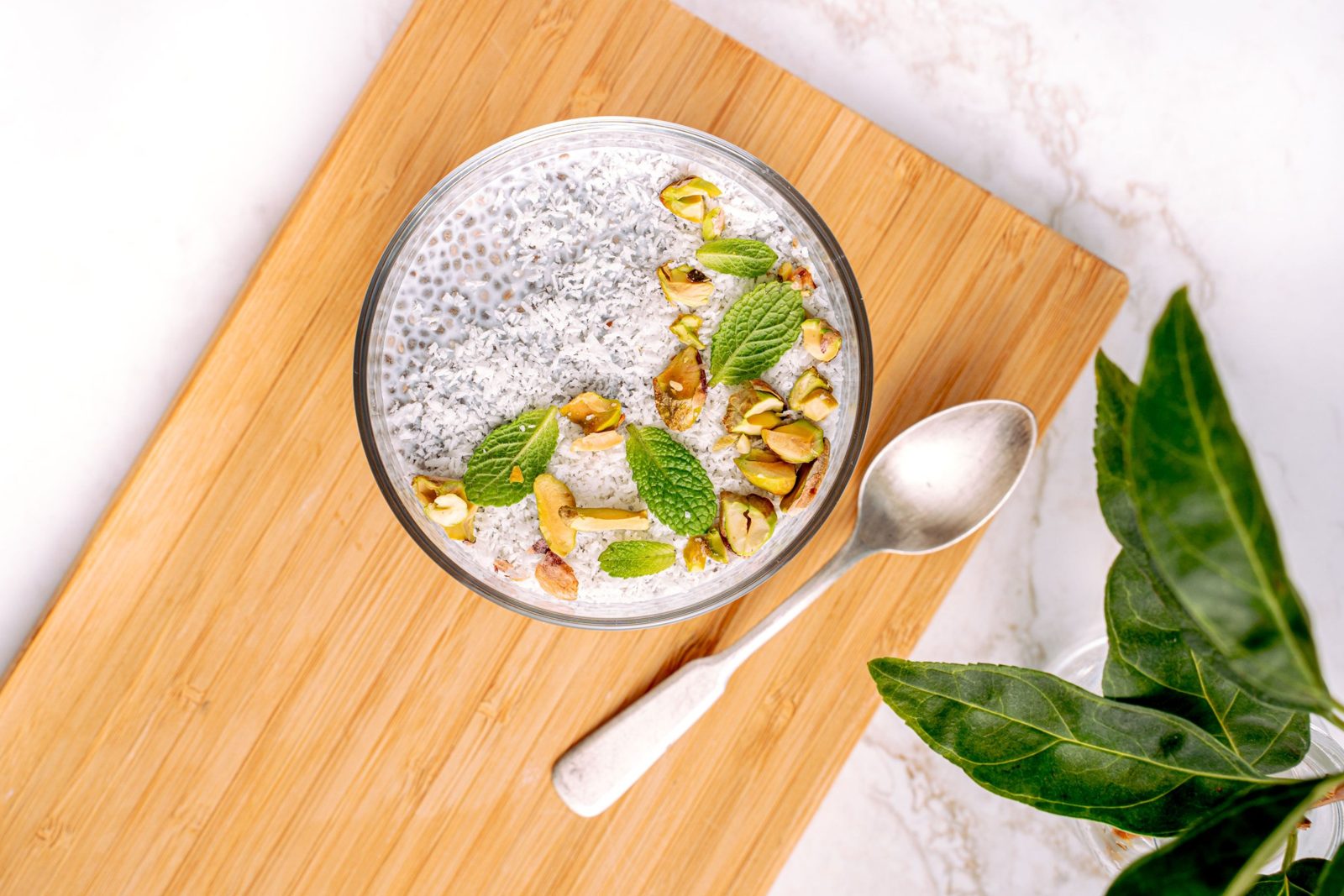
Chia seeds
Two tablespoons have about 10 grams of fiber, plus protein and plant-based omega-3 fats. Chia soaks up liquid and forms a gel, which helps you feel full. Always soak chia or mix it into moist foods; don't eat a spoonful of dry seeds and then drink water, since they can swell and get stuck.
Flaxseed
Flax is rich in fiber, omega-3 fats and lignans. Your body absorbs it much better ground than whole, so buy ground flax or grind it yourself, and keep it in the fridge so it stays fresh. Try a spoonful in oatmeal, smoothies or even roti or paratha dough.
Basil seeds (sabja)
Popular in falooda and summer drinks, basil seeds swell quickly in water, much like chia. They add fiber with very few calories. Soak them for 10 to 15 minutes before using.
Pumpkin seeds
Pumpkin seeds (pepitas) are one of the best seed sources of protein, magnesium and zinc. Magnesium plays a role in blood sugar and blood pressure control. Choose unsalted or lightly salted.
Sunflower seeds
Sunflower seeds are an excellent source of vitamin E, an antioxidant that, along with zinc, is part of the nutrition linked to healthy aging eyes. Pick unsalted kernels and skip the flavored, heavily salted bags.
Hemp and sesame seeds
Hemp hearts are high in protein, with about 10 grams in 3 tablespoons, and taste mild and nutty. Sesame seeds and tahini add calcium, especially unhulled sesame. Both are easy to sprinkle on salads, yogurt and roasted vegetables.
Mind the portion
Seeds are healthy but calorie-dense. A good amount is 1 to 2 tablespoons a day, not handfuls. Measure them rather than eating straight from the bag, especially if you are working on weight loss.
Add fiber slowly and drink water
If you are not used to much fiber, start with a teaspoon and build up over a week or two, with plenty of water, to avoid gas and bloating. This matters even more if you take weight loss medication, which can slow digestion. Ask your doctor first if you have trouble swallowing, a bowel condition or take a blood thinner.
Want a nutrition plan that fits your foods and culture? Our medical weight management program includes personal nutrition guidance. See also vegetarian protein sources.
This article is for general education and does not replace a visit with your doctor.
Try it at home
Easy ways to enjoy seeds
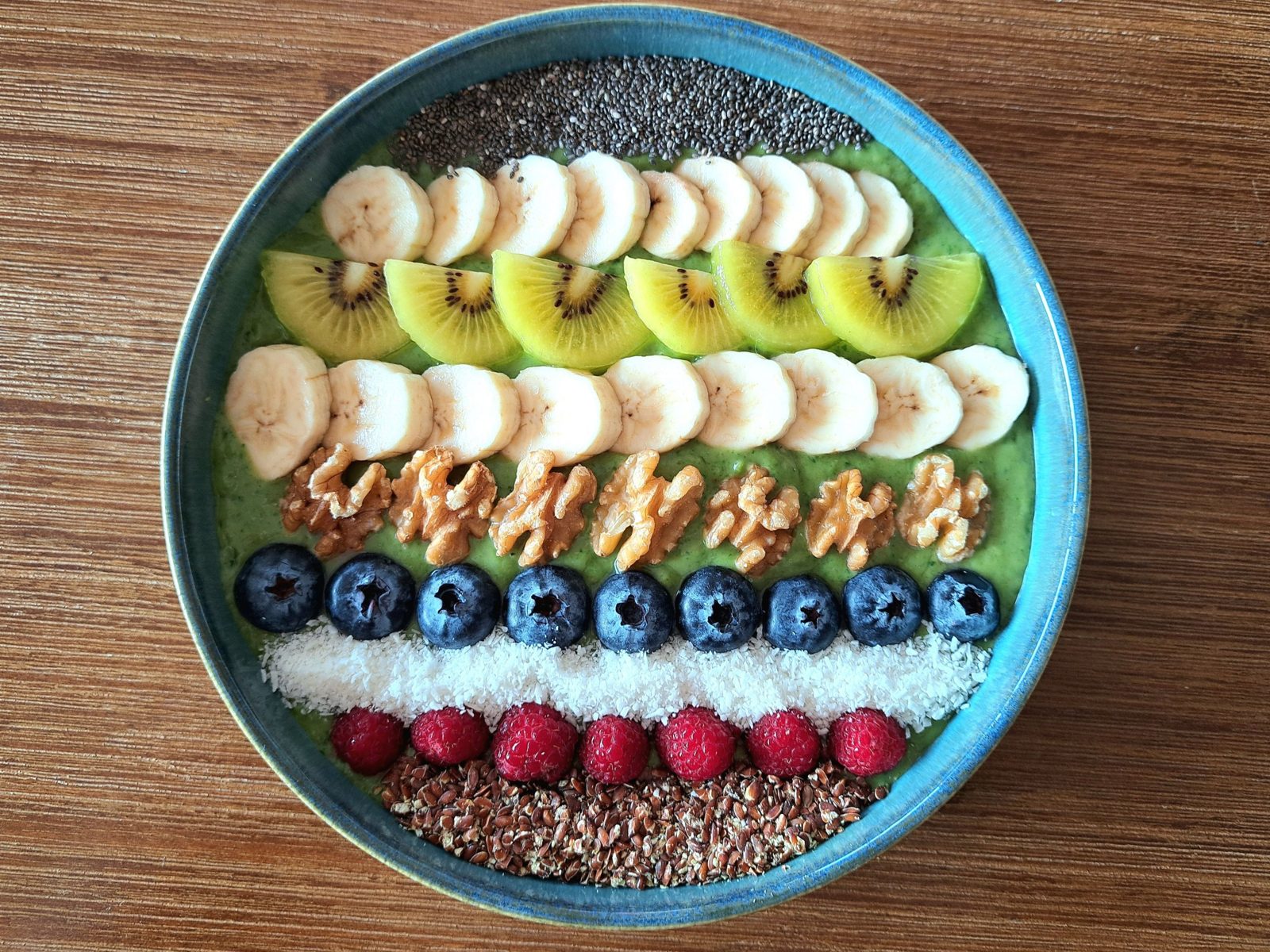
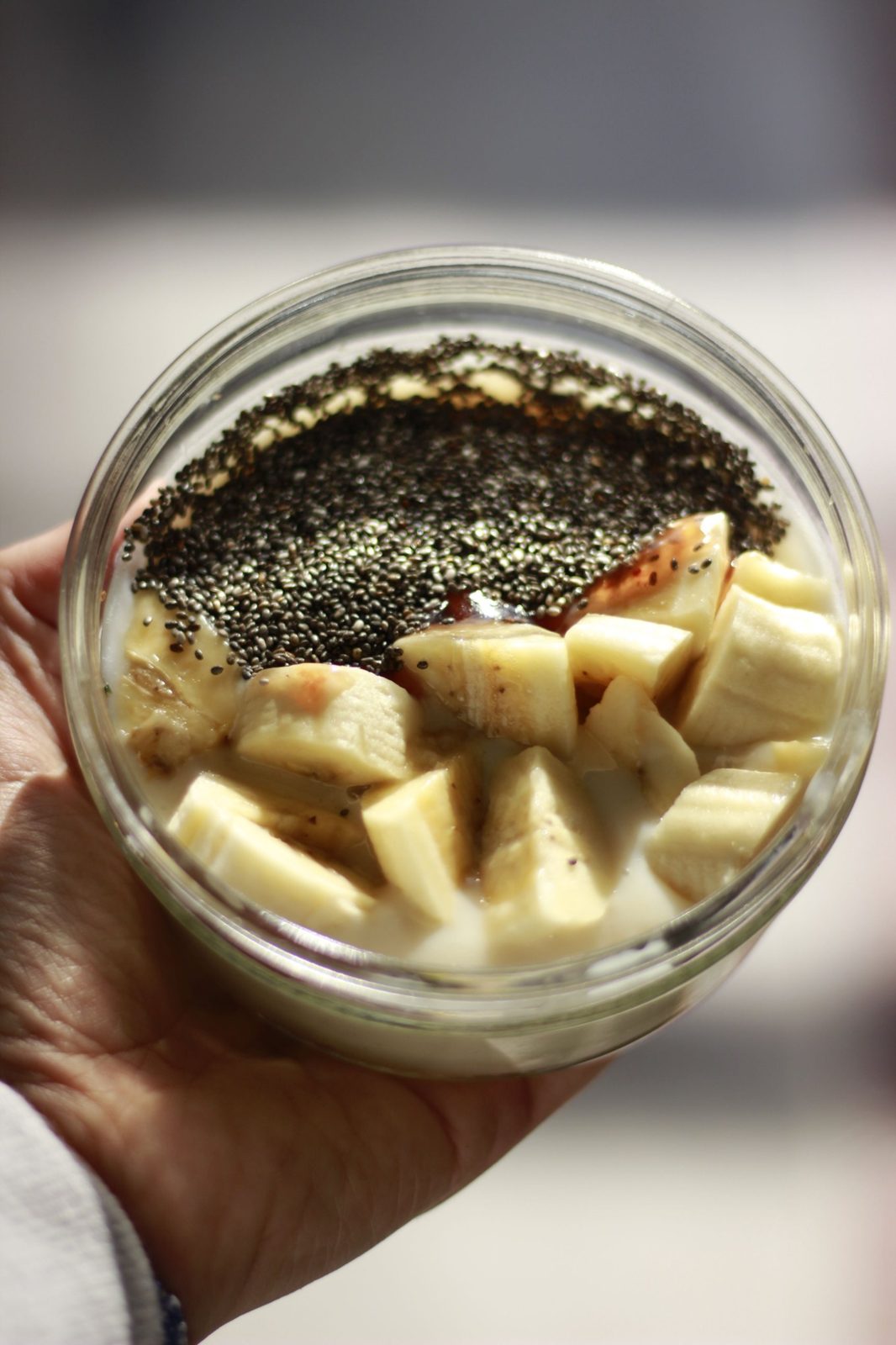
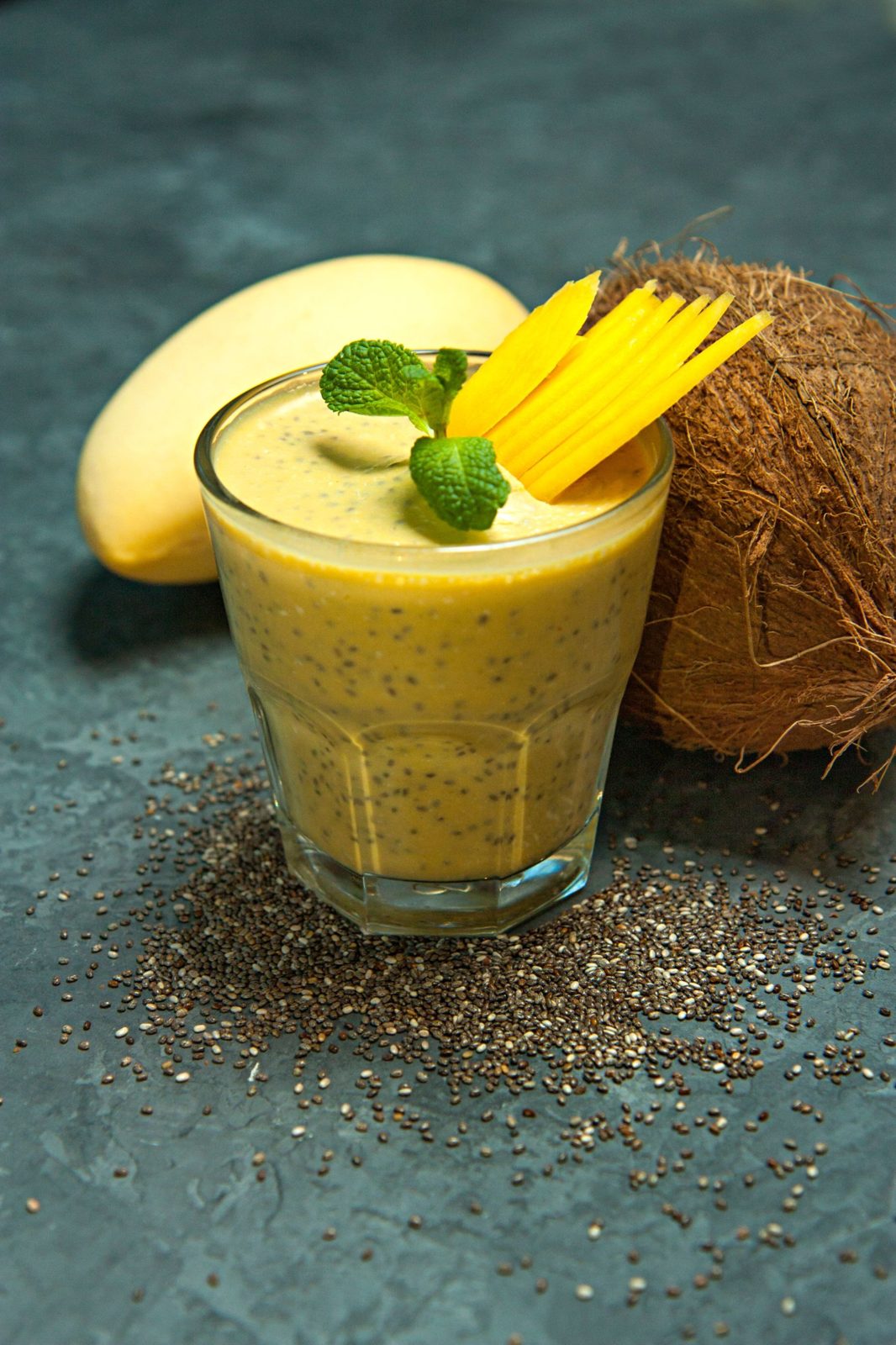
Sprinkle chia and ground flax over a smoothie bowl, oatmeal or yogurt with fruit and a few walnuts. Or stir 2 tablespoons of chia into a cup of milk or yogurt and refrigerate overnight for a quick pudding. Top with fruit, a few chopped nuts or coconut instead of sugar. You can also blend a spoonful into a mango or banana smoothie.
Ready to book your visit?
Book online through Healow anytime, call us at 630-242-2455 or text 630-242-2435. New patients are welcome.