

Eye health
Diabetes and your eyes: why a yearly dilated exam matters
November is Diabetic Eye Disease Awareness Month. Diabetes is a leading cause of vision loss in working-age adults, yet most of that loss can be prevented when problems are found early.
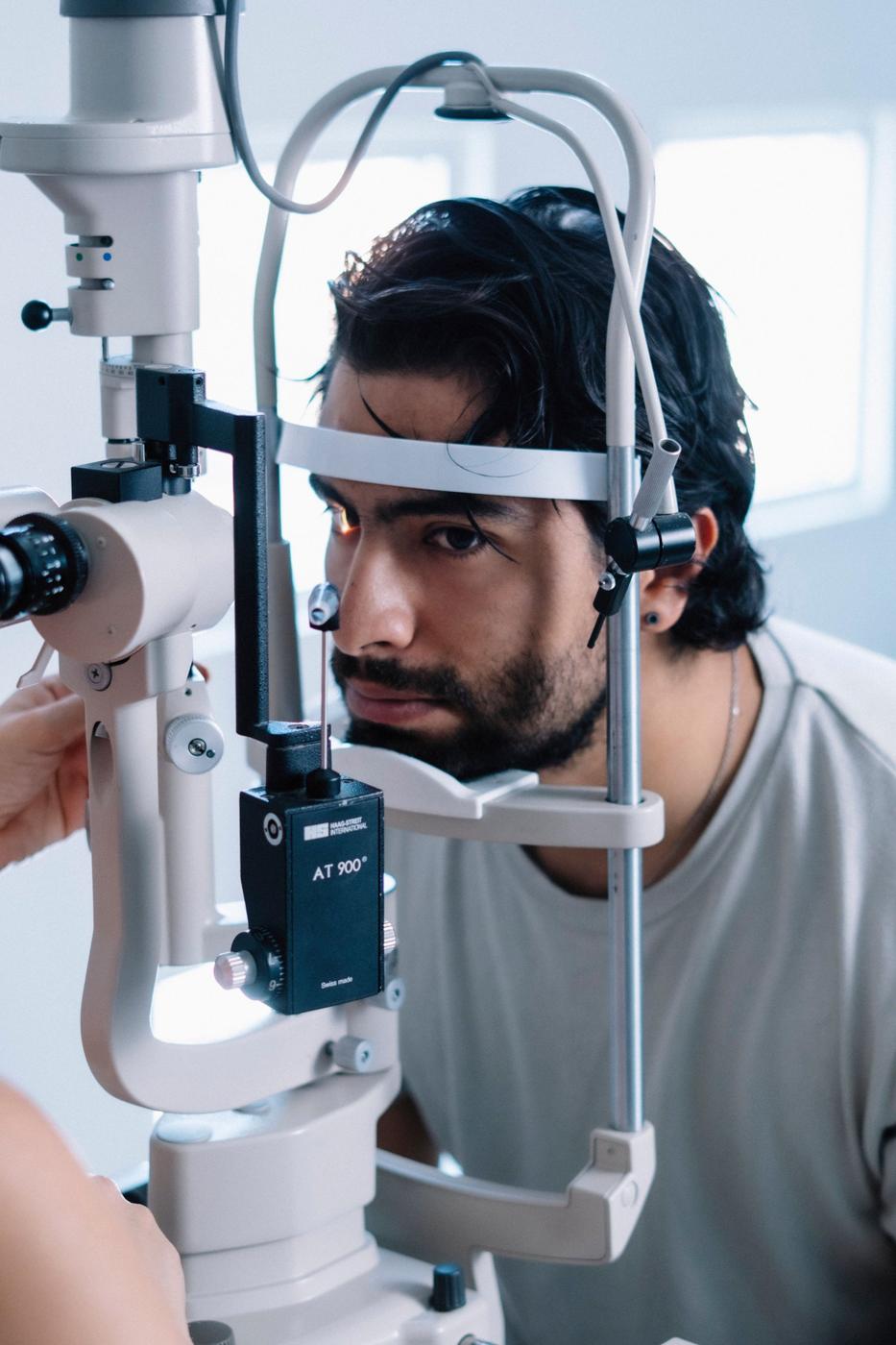
How diabetes affects the eyes
High blood sugar slowly damages the tiny blood vessels in the retina, the light-sensing layer at the back of the eye. They can leak, swell or grow abnormally. This is called diabetic retinopathy. Diabetes also raises the risk of cataracts and glaucoma.
Why you can't wait for symptoms
Early diabetic retinopathy usually causes no pain and no change in vision. By the time vision is blurry, damage may already be advanced. A dilated eye exam lets your eye doctor see changes years before you would notice them.
How often to get checked
Most adults with diabetes should have a dilated eye exam every year. If your exams stay normal and your diabetes is well controlled, your doctor may suggest every one to two years. If changes are found, you may need exams more often.
What lowers your risk
Keeping your A1c, blood pressure and cholesterol in your target ranges protects the blood vessels in your eyes, just as it protects your heart and kidneys. Not smoking helps too.
Warning signs to call about right away
Call us promptly if you notice sudden blurry vision, new floaters, flashes of light, dark spots or a curtain over your vision.
At LivingWell, your diabetes care and your eye care are under one roof: Dr. Manali Patel manages your diabetes and Dr. Nayan Patel performs your yearly dilated eye exam, with results shared between them. Learn more about diabetic retinopathy or book an eye exam.
This article is for general education and does not replace a visit with your doctor.
Ready to book your visit?
Book online through Healow anytime, call us at 630-242-2455 or text 630-242-2435. New patients are welcome.